
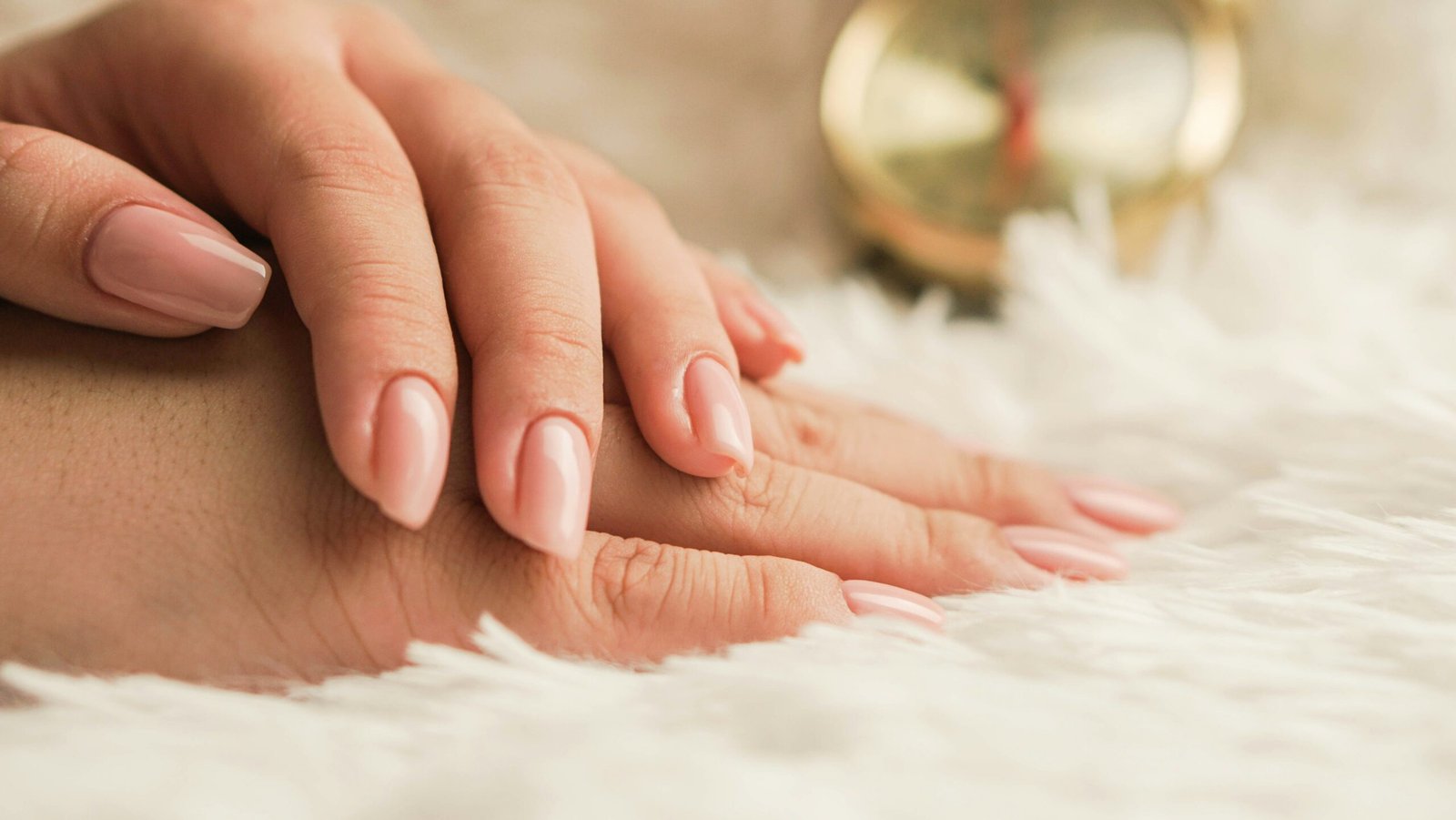

Nail polish can be a fun way to change your look, but a few everyday habits can leave nails and the surrounding skin feeling dry or rough. The good news is that most of these mistakes are easy to avoid.
1. Picking polish off
Peeling or picking at old polish can also lift small layers from the nail surface. When your polish starts to chip, use a proper remover instead of pulling it away with your fingers.
2. Using too much remover
Acetone-based remover is useful for stubborn polish, but frequent or unnecessary use can make the skin around your nails feel dry. Use only enough to remove the product, then wash your hands and moisturize.
3. Skipping a base coat
A base coat can give polish a smoother surface and may help reduce staining from strongly pigmented colors. It also makes the manicure easier to remove later.
4. Painting over damaged nails
If a nail is cracked, painful, or peeling badly, covering it with several layers of polish may hide the problem without fixing it. Give the nail a break and keep the area protected while it recovers.
5. Forgetting the skin around the nails
People often focus on the nail plate and forget the surrounding skin. A little hand cream or cuticle oil after removing polish can help keep the area comfortable.
A simple polish routine
Clean your nails, let them dry, apply a thin base coat, add thin layers of color, and finish with a top coat if you want extra shine. Give the polish enough time to dry before using your hands normally.
💅 Nail Point Polish Check
Before painting, make sure your nails are clean and dry. During removal, dissolve the polish patiently instead of scraping or peeling it.
Make Your Manicure Last Without Being Rough
Let each coat dry properly before adding the next one. Thin layers are easier to control and can help prevent the polish from becoming bulky or smudging. If polish gets onto the surrounding skin, clean the edge gently rather than repeatedly soaking the skin in remover.
Quick Questions
Should I peel off chipped polish?
No. Peeling can pull at the surface of the nail. Use an appropriate remover instead.
What should I do if my nails feel dry?
Reduce unnecessary remover use, moisturize your hands and cuticles, and give your nails a break if they feel irritated.
Bottom line: A good manicure is not just about color—it is about gentle application, careful removal, and regular moisture.
Give Your Manicure a Little More Care
Another useful habit is to avoid applying polish over oily, wet, or dirty nails. A clean and dry surface helps the product apply more evenly. Thin coats are usually easier to control than one very thick coat, and allowing each layer to dry can reduce smudging and accidental peeling.
Try to protect the skin around your nails while painting. If polish gets onto the surrounding skin, let it dry slightly and clean the edge carefully rather than repeatedly rubbing the area with remover. This can help keep the skin from becoming unnecessarily dry.
When removing polish, give yourself enough time to dissolve the product instead of scraping or picking at it. If your nails feel unusually dry afterward, apply hand cream or cuticle moisturizer. You can also leave your nails without polish for a while if they feel irritated.
A simple manicure does not need to be perfect. Gentle application, proper removal, clean tools, and regular moisture can help your nails look neat while keeping your routine comfortable and easy to maintain.