
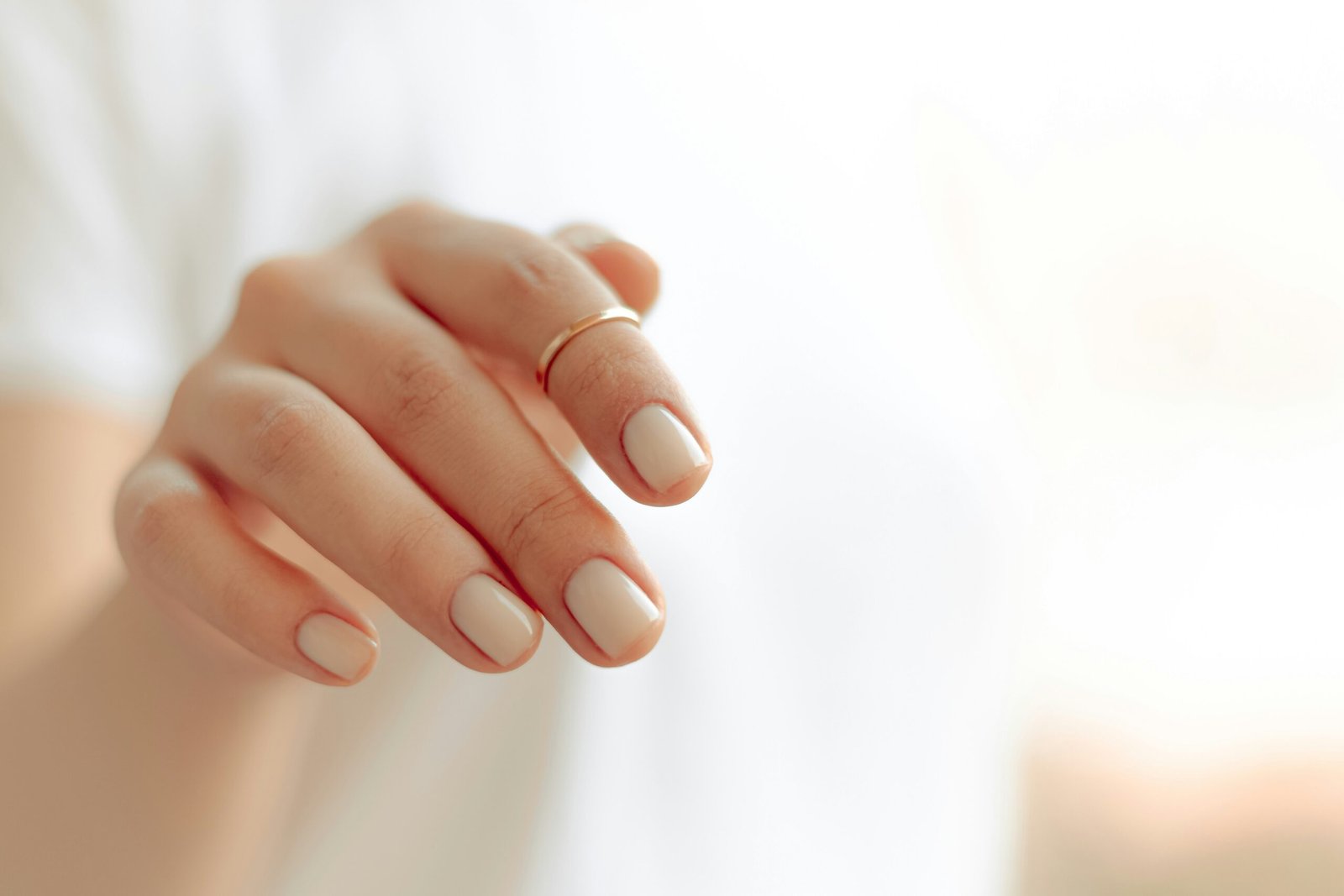

Cuticles are easy to ignore, but they help protect the area where your nail begins. You do not need to cut them deeply or use harsh products to keep them looking neat. A gentle routine is usually enough.
Start with clean hands
Wash your hands with mild soap and lukewarm water, then dry them well. Clean hands make it easier to care for your nails without rubbing dirt into the skin around them.
Soften the skin first
If your cuticles feel dry, give them a little time to soften after a shower or a short soak in lukewarm water. Avoid very hot water because it can leave your skin feeling drier.
Moisturize instead of cutting
Apply a small amount of cuticle oil, hand cream, or a simple fragrance-free moisturizer around the nail. Massage it gently into the skin. There is usually no reason to cut healthy cuticle tissue at home.
Be gentle with cuticle tools
If you use a wooden cuticle stick, do not force the skin backward. Stop if it hurts, bleeds, or feels irritated. Aggressive pushing can leave the area sore and damaged.
Make it a small daily habit
A minute of moisturizing after washing your hands can make a noticeable difference in how dry the skin around your nails feels. Keeping the routine simple also makes it easier to stick with.
When to leave it alone
If the skin around a nail becomes very painful, swollen, warm, or starts producing pus, skip home treatment and speak with a healthcare professional. Nail care should never involve working through pain.
💅 Nail Point Tip
Think of your cuticles as a protective border, not something that needs to be completely removed. Keep them soft and comfortable instead of trying to make them disappear.
A 60-Second Cuticle Routine
After washing your hands, dry them gently and apply a small amount of moisturizer around each nail. Massage the area for a few seconds, especially where the skin feels dry. Doing this regularly is easier than waiting until the cuticles become very rough.
Quick Questions
Should I cut my cuticles at home?
Healthy cuticle tissue generally does not need aggressive cutting. Gentle moisturizing is usually a better approach.
What if a hangnail hurts?
Do not pull it. Keep the area clean and carefully trim only the loose portion with a clean tool. If pain, swelling, warmth, or pus develops, seek professional advice.
Bottom line: The best cuticle routine is simple: moisturize, handle gently, keep tools clean, and stop when something hurts.
Small Habits That Help Cuticles
One of the easiest ways to care for the skin around your nails is to moisturize after activities that remove natural oils. Hand washing, dishwashing, and exposure to dry weather can leave the cuticle area rough. Keeping a small hand cream nearby can make regular care much easier.
Avoid pulling loose pieces of skin around the nails. If a small hangnail catches on clothing, wash your hands and carefully trim the loose portion with clean nail scissors or clippers rather than tearing it. Never pull deeply into attached skin.
It is also helpful to keep manicure tools clean and avoid sharing personal tools casually. If you visit a salon, choose a professional who follows appropriate hygiene practices and uses properly cleaned or disposable equipment.
Remember that cuticles are part of the natural protective barrier around the nail. The goal is not to remove every bit of skin, but to keep the area comfortable, moisturized, and gently maintained. If irritation keeps returning or the area becomes painful or swollen, professional advice is more appropriate than repeated home treatments.